Introduction
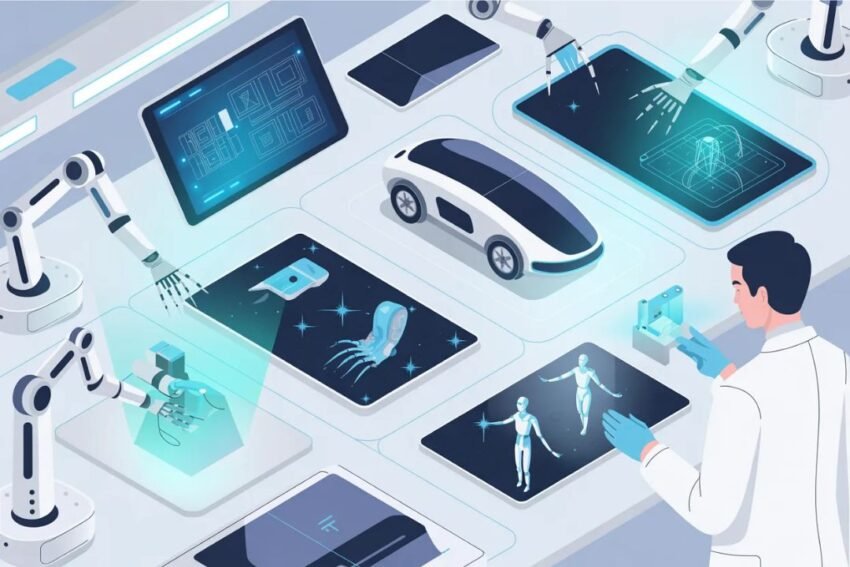
The world is changing at a pace faster than ever before. Over the past few decades, technology has transformed the way people live, work, travel, and communicate. From the invention of smartphones to the rise of artificial intelligence, modern innovations are shaping a future that once existed only in science fiction. Today, scientists, engineers, and tech companies are working on groundbreaking inventions that promise to redefine everyday life.
Among the most exciting developments are smart cities, flying cars, advanced robotics, sustainable energy systems, and revolutionary healthcare technologies. These inventions aim to solve some of humanity’s biggest challenges, including traffic congestion, climate change, healthcare access, and urban overcrowding. As these innovations continue to evolve, they are expected to make life more efficient, safer, and environmentally friendly.
This article explores the most exciting future inventions that could transform the world in the coming decades, from intelligent cities powered by data to futuristic vehicles that soar through the skies.
The Rise of Smart Cities
One of the most revolutionary ideas shaping the future is the concept of smart cities. A smart city uses advanced technologies such as artificial intelligence, the Internet of Things (IoT), big data, and automation to improve the quality of life for its residents.
In traditional cities, many systems such as transportation, waste management, and energy distribution operate independently. Smart cities, however, connect these systems through digital networks, allowing them to communicate and operate more efficiently. Sensors installed throughout the city collect real-time data, which is then analyzed to optimize services and infrastructure.
For example, smart traffic management systems can monitor road congestion and automatically adjust traffic signals to reduce delays. This can significantly improve commuting times and reduce fuel consumption. Similarly, smart waste management systems can detect when garbage bins are full and automatically schedule pickups, making the process more efficient.
Energy efficiency is another major advantage of smart cities. Smart grids can distribute electricity more effectively by analyzing usage patterns and adjusting supply accordingly. This reduces energy waste and helps integrate renewable energy sources such as solar and wind power.
Smart cities also prioritize sustainability. Green buildings equipped with smart climate systems can automatically adjust heating, cooling, and lighting based on occupancy and weather conditions. This not only saves energy but also reduces environmental impact.
Cities like Singapore, Dubai, and Tokyo are already implementing smart technologies, offering a glimpse into what the cities of tomorrow might look like.
Flying Cars: The Future of Transportation
For decades, flying cars have been a staple of science fiction movies and futuristic predictions. However, recent advancements in aviation technology and electric propulsion systems suggest that flying cars could soon become a reality.
Flying cars, often referred to as electric vertical takeoff and landing vehicles (eVTOL), are designed to operate both in the air and on the ground. These vehicles use electric motors and advanced navigation systems to lift off vertically, eliminating the need for traditional runways.
The main goal of flying cars is to reduce traffic congestion in crowded urban areas. As cities continue to grow, road infrastructure is struggling to keep up with the increasing number of vehicles. By utilizing airspace, flying cars could provide a faster and more efficient way to travel within cities.
Many technology and aviation companies are investing heavily in this field. Prototype flying taxis are already being tested, with the aim of launching commercial air taxi services in the near future. These vehicles are expected to be powered by clean energy, making them more environmentally friendly than traditional helicopters.
Safety is a critical factor in the development of flying cars. Advanced autopilot systems, AI-based navigation, and collision-avoidance technologies are being developed to ensure safe operation in busy urban airspace.
While widespread adoption may still be several years away, flying cars represent one of the most exciting possibilities for the future of transportation.
Artificial Intelligence and Smart Robots
Artificial intelligence (AI) is already transforming industries across the world, and its influence is expected to grow even further in the coming decades. AI-powered robots could become common in homes, workplaces, hospitals, and even public spaces.
In healthcare, intelligent robots may assist doctors in performing complex surgeries with incredible precision. AI systems can analyze vast amounts of medical data, helping doctors diagnose diseases earlier and develop personalized treatment plans.
In households, smart robots could handle everyday tasks such as cleaning, cooking, and managing home security. These robots will be equipped with advanced sensors and machine learning algorithms, allowing them to adapt to individual preferences and routines.
In manufacturing and logistics, AI-driven robots are already improving productivity and efficiency. Future robots will be more collaborative, working alongside humans to perform tasks that require both precision and creativity.
As AI continues to evolve, it will not only automate repetitive tasks but also help solve complex problems in science, engineering, and environmental management.
Revolutionary Healthcare Technologies
The future of healthcare looks incredibly promising thanks to emerging technologies that aim to make treatments more accurate, affordable, and accessible.
One of the most exciting innovations is personalized medicine. By analyzing a person’s genetic information, doctors can develop treatments tailored specifically to that individual. This approach increases the effectiveness of treatments and reduces the risk of side effects.
Another breakthrough is the use of nanotechnology in medicine. Tiny medical robots, known as nanobots, could be injected into the human body to detect and treat diseases at the cellular level. These microscopic machines could potentially destroy cancer cells, repair damaged tissues, and deliver drugs directly to affected areas.
Wearable health devices are also becoming increasingly advanced. Future wearable technology may continuously monitor vital signs such as heart rate, blood pressure, and blood sugar levels. This real-time data can help detect health issues before they become serious.
Telemedicine is another major innovation that is reshaping healthcare. With remote consultations and AI-powered diagnostics, patients can receive medical care without visiting a hospital, making healthcare more accessible to people in remote areas.
Together, these technologies have the potential to dramatically improve life expectancy and overall quality of life.
Sustainable Energy Innovations
As the world faces growing concerns about climate change and environmental sustainability, future inventions are focusing heavily on clean and renewable energy sources.
Solar energy technology is rapidly improving, with scientists developing more efficient solar panels that can generate power even in low-light conditions. Some researchers are also exploring transparent solar panels that could be integrated into windows and building materials.
Wind energy is another rapidly growing sector. Advanced wind turbines are becoming larger and more efficient, capable of generating massive amounts of electricity. Floating wind farms are also being developed to harness stronger winds in deep ocean waters.
Energy storage technology is equally important. Next-generation batteries could store renewable energy more effectively, ensuring a stable power supply even when sunlight or wind is unavailable.
Another promising concept is nuclear fusion, which aims to replicate the same energy-producing process that powers the sun. If successfully developed, fusion energy could provide nearly unlimited clean energy with minimal environmental impact.
These innovations could significantly reduce the world’s dependence on fossil fuels and create a more sustainable energy future.
Hyperloop and High-Speed Transportation
Another exciting future invention is the Hyperloop transportation system. This concept involves high-speed pods traveling through vacuum tubes at incredibly high speeds, potentially exceeding 1000 kilometers per hour.
The Hyperloop system aims to drastically reduce travel times between cities. For example, a journey that currently takes several hours by car or train could be completed in under 30 minutes using Hyperloop technology.
The system works by minimizing air resistance and friction, allowing pods to travel extremely fast while using relatively little energy. If successfully implemented, Hyperloop could revolutionize long-distance transportation and reduce reliance on airplanes for short trips.
Although still in the experimental stage, several companies and research institutions are actively working on developing and testing Hyperloop systems.
Space Exploration and Colonization
Space exploration is entering a new era as private companies and national space agencies invest heavily in advanced technologies. The goal is not only to explore space but also to establish human settlements on other planets.
Future inventions may include reusable rockets, advanced space habitats, and innovative life-support systems designed for long-term missions.
Scientists are particularly interested in Mars as a potential destination for human colonization. Research is underway to develop technologies that can produce food, water, and oxygen on the planet.
Space mining is another futuristic concept that could become a reality. Asteroids contain valuable minerals and metals that could be extracted and used for manufacturing and construction.
As space technology advances, humanity may eventually expand beyond Earth and establish a presence across the solar system.
The Role of Technology in Shaping the Future
All of these inventions share a common goal: improving human life while addressing global challenges. Whether it is reducing pollution, improving healthcare, or making transportation more efficient, technology plays a crucial role in shaping the future.
However, these advancements also raise important ethical and social questions. Issues such as data privacy, job displacement due to automation, and the environmental impact of new technologies must be carefully addressed.
Governments, researchers, and technology companies must work together to ensure that future innovations are developed responsibly and benefit society as a whole.
Conclusion
The future promises a world filled with remarkable inventions that could transform nearly every aspect of human life. Smart cities may revolutionize urban living by making cities more efficient and sustainable. Flying cars could change the way people travel, reducing traffic congestion and shortening commute times.
Artificial intelligence and robotics will continue to enhance productivity and improve healthcare systems, while renewable energy technologies could help combat climate change. Innovations like Hyperloop transportation and space exploration may even expand humanity’s reach beyond Earth.
Although many of these technologies are still in development, rapid advancements suggest that the future may arrive sooner than expected. By embracing innovation and addressing potential challenges responsibly, society can unlock a future filled with extraordinary possibilities.
The coming decades will likely witness some of the most groundbreaking inventions in human history. From smart cities to flying cars, the future is not only exciting—it is already on its way.