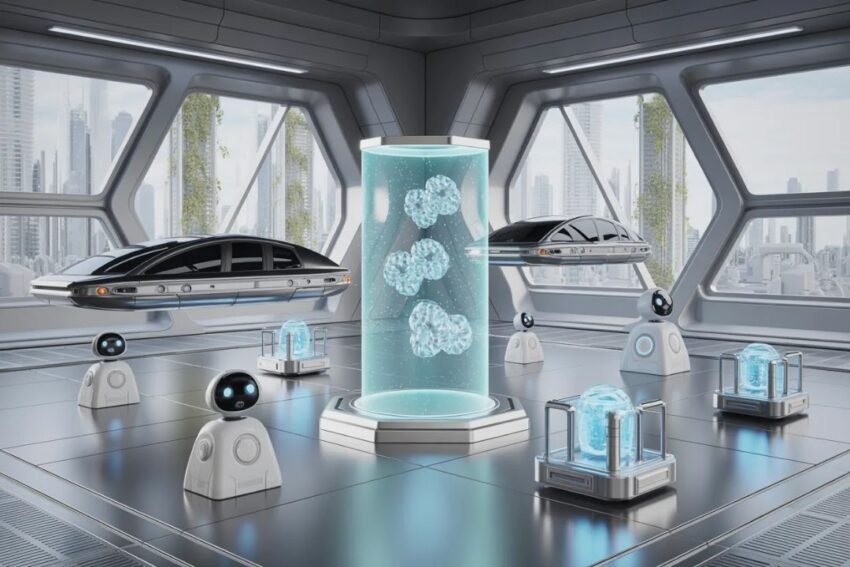
Technology is evolving at an incredible pace, and the next decade promises groundbreaking inventions that could reshape the world as we know it. Many innovations that once sounded like science fiction are rapidly becoming reality. From intelligent robots and advanced artificial intelligence to revolutionary healthcare tools and space technologies, the future of innovation looks more exciting than ever.
Understanding these upcoming technologies early can help individuals, businesses, and innovators stay ahead of the curve. In this article, we explore the top future inventions you should know about before everyone else, highlighting how these technologies could transform everyday life and global industries.
1. Human-Level Artificial Intelligence
Artificial intelligence continues to advance rapidly. Future AI systems will likely become more capable of understanding context, learning from experience, and performing complex tasks.
Potential Features
- AI assistants capable of managing entire workflows
- Intelligent decision-making systems for businesses
- Real-time language translation across multiple languages
- Advanced AI tools for scientific research
Impact
Human-level AI could dramatically improve productivity, automate repetitive tasks, and accelerate innovation across industries.
2. Autonomous Vehicles and Smart Transportation
Self-driving vehicles are expected to become far more advanced in the coming years. Autonomous transportation systems could transform urban mobility and logistics.
Future Developments
- Self-driving taxis and ride-sharing services
- AI-controlled traffic systems
- Autonomous delivery drones and vehicles
- Smart highways communicating with vehicles
Benefits
Autonomous transportation could reduce accidents, improve traffic efficiency, and lower transportation costs.
3. Brain–Computer Interfaces
One of the most fascinating future inventions involves connecting the human brain directly with computers.
Possible Applications
- Helping paralyzed individuals control devices
- Enhancing communication between humans and machines
- Improving memory and learning capabilities
- Advanced medical treatments for neurological disorders
Brain–computer interfaces could revolutionize healthcare and redefine how humans interact with technology.
4. Next-Generation Smart Robots
Robots are becoming more intelligent, adaptable, and capable of performing complex tasks. In the future, robots may become common in homes, hospitals, and workplaces.
Examples
- Domestic robots for cleaning and household tasks
- Medical robots assisting in surgeries
- Agricultural robots improving crop production
- Industrial robots increasing manufacturing efficiency
Why It Matters
Robots can help automate repetitive tasks and improve productivity across many industries.
5. Quantum Computing Breakthroughs
Quantum computing represents one of the most powerful technological frontiers. Unlike traditional computers, quantum machines can process enormous amounts of data simultaneously.
Potential Benefits
- Faster drug discovery and medical research
- Advanced climate simulations
- Improved financial modeling
- Breakthroughs in cryptography and cybersecurity
Quantum computing could solve complex problems that are currently impossible with traditional computing systems.
6. Advanced Renewable Energy Technologies
The world is increasingly focusing on sustainable energy solutions. Future inventions in renewable energy could significantly reduce reliance on fossil fuels.
Emerging Technologies
- Ultra-efficient solar panels
- Hydrogen-based energy systems
- Advanced battery storage solutions
- Smart energy grids powered by AI
Environmental Impact
These innovations could reduce carbon emissions and help combat climate change.
7. Immersive Augmented Reality and Virtual Reality
AR and VR technologies are becoming more powerful and accessible. In the future, these tools could transform education, entertainment, and business collaboration.
Future Applications
- Virtual classrooms and training environments
- Immersive gaming experiences
- Virtual offices and remote collaboration spaces
- AR-enhanced retail shopping experiences
These technologies will create more interactive and engaging digital experiences.
8. Personalized Medicine and AI Healthcare
Healthcare is one of the fields expected to benefit most from technological innovation.
Upcoming Medical Innovations
- AI systems capable of diagnosing diseases early
- Personalized treatment plans based on genetic data
- Wearable devices monitoring health in real time
- Robotic-assisted surgeries with greater precision
Benefits
These technologies could improve patient outcomes, reduce healthcare costs, and extend life expectancy.
9. Smart Cities Powered by Technology
Cities around the world are adopting advanced technologies to improve urban living.
Smart City Features
- AI-managed traffic systems
- Smart infrastructure monitoring
- Intelligent public transportation networks
- Energy-efficient buildings and utilities
Smart cities aim to create more sustainable, efficient, and livable urban environments.
10. Space Exploration and Commercial Space Travel
Space technology is advancing rapidly as both governments and private companies invest heavily in exploration.
Future Space Innovations
- Reusable rockets reducing space travel costs
- Lunar research stations
- Mars exploration missions
- Advanced satellite networks for global connectivity
Space exploration could open new opportunities for scientific discovery and global communication.
Why These Future Inventions Matter
The inventions discussed above are more than technological curiosities. They have the potential to solve some of humanity’s biggest challenges.
Global Benefits
- Improved healthcare and medical treatments
- Sustainable energy solutions for environmental protection
- More efficient transportation systems
- Increased productivity in industries worldwide
However, these technologies will also require careful regulation to address concerns about privacy, ethics, and security.
Preparing for the Future of Technology
To stay ahead in a rapidly evolving digital world, individuals and businesses should:
- Stay informed about emerging technologies
- Invest in digital skills and education
- Adapt to new technological tools and platforms
- Encourage innovation and research
Understanding future inventions early allows people to take advantage of new opportunities before they become mainstream.
Conclusion
The future of technology is filled with exciting possibilities. From advanced artificial intelligence and quantum computing to smart cities and space exploration, these inventions could dramatically reshape society in the coming years.
By staying informed about these emerging innovations before they become widespread, individuals and organizations can better prepare for the next era of technological transformation. The inventions of tomorrow will not only improve convenience and efficiency but may also help solve global challenges and create a smarter, more connected world.
The future is arriving faster than ever—and those who understand it early will be best positioned to benefit from it.